How to Fix Yard Drainage Problems in Massachusetts: Signs, Solutions & What It Really Costs
Eric Easterday • September 1, 2026
Yard drainage problems in Massachusetts often come from heavy rain, spring thaw, poor grading, or soil that holds water too long. The right fix depends on where the water collects and how it moves across the property. Addressing the issue early can help protect your lawn, hardscape, and foundation.
Signs Your Yard Has a Drainage Problem
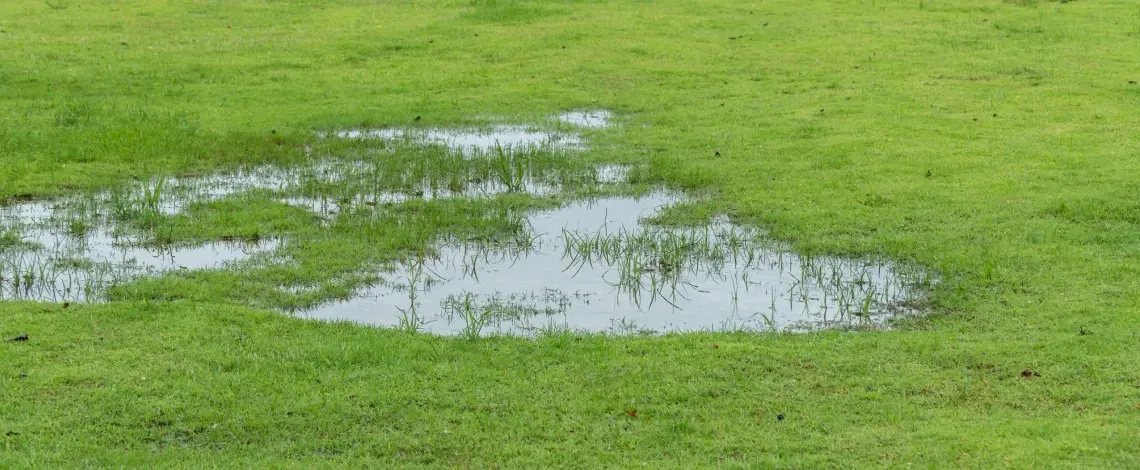
A puddle after a heavy storm is normal, but water that stays for more than a day may point to a larger issue. Poor drainage can create muddy turf, erosion, and moisture near the home. These are some of the most common warning signs to watch for.
- Puddles or soggy lawn areas lasting more than 24 to 48 hours
- Water collecting near the foundation, patio, driveway, or walkway
- Washed-out mulch, gravel, or soil along slopes
- Thin grass, moss, muddy areas, or dying plants
- Mosquito activity around stagnant water
- Water moving toward the home after rain
Why Massachusetts Yards Hold Water
Massachusetts properties often deal with heavy rainfall, spring snowmelt, compacted soil, and uneven grades. These conditions can stop water from moving naturally through the property. Even a small low area can collect runoff from the roof, driveway, and lawn.
Clay-heavy or compacted soil can make drainage worse because water stays near the surface. A property may also look level while still having subtle dips that trap runoff. Finding the source of the water is the first step in choosing the right solution.
How to Fix Standing Water in Your Yard
The best standing water in the yard fix depends on whether the issue is caused by surface runoff, poor grading, roof drainage, or underground moisture. Some properties need one simple improvement, while others need several features working together. A site review can help determine where water should be collected and redirected. Common yard drainage solutions include:
- Regrading and Swales: Reshaping the property so water moves away from the home.
- Downspout Extensions: Carrying roof runoff farther from the foundation.
- French Drains: Using perforated pipe and gravel to redirect groundwater.
- Catch Basins: Collecting surface water from low areas before it pools.
- Dry Wells: Holding runoff underground so it can disperse gradually.
- Channel Drains: Moving water away from patios, driveways, and walkways.
When Regrading Is the Right Solution
Regrading can be one of the most effective ways to fix yard drainage problems in Massachusetts. It helps guide water away from the foundation and prevents runoff from sitting in low areas. This is especially useful when the current slope directs water toward the home.
In some cases, regrading works best with other drainage features. A swale may guide water toward a catch basin, while a French drain can handle moisture below the surface. The goal is to move water safely without creating another wet area elsewhere.
When a French Drain or Catch Basin Makes More Sense
A French drain is often a good option when the soil stays wet below the surface. It can help collect groundwater near foundations, slopes, retaining walls, and low lawn areas. The system then redirects that water toward a proper discharge point.
Catch basins work better for visible surface pooling. They are commonly used near patios, driveways, walkways, and hardscape areas. Some properties need both systems to manage surface water and underground moisture.
Yard Drainage Cost: What Homeowners Can Expect
Yard drainage cost depends on the size of the affected area, soil conditions, equipment access, and the system needed. A small downspout extension may cost much less than a full drainage plan for a flat or low-lying property. These ranges offer a general starting point before scheduling a site review.
| Project Scope | Typical Cost Range | Best Fit For |
|---|---|---|
| Simple drainage improvements | $800 to $2,000 | Downspout extensions, short drainage runs, minor surface fixes |
| Mid-range drainage systems | $3,000 to $7,000 | French drains, catch basins, moderate runoff issues |
| Complex drainage projects | $10,000 to $15,000+ | Large low areas, extensive grading, multiple drainage features |
| Regrading work | $1,400 to $6,000 | Reshaping slopes and correcting major low spots |
| Pump-assisted drainage | $600 to $2,500+ |
Avoid These Common Drainage Mistakes
A drainage solution will not work well if it does not address the source of the water. Adding gravel to a muddy area may improve the appearance, but it will not stop runoff from returning. A proper plan should consider the full path water takes across the property.
Avoid these common mistakes:
- Extending downspouts only a few feet from the foundation
- Installing a French drain without a proper outlet
- Adding soil without correcting the surrounding grade
- Directing water toward a neighboring property
- Ignoring drainage before installing patios or walkways
- Waiting until erosion or foundation moisture becomes severe
Work With a Landscape Drainage Contractor in Bristol County, MA
At ET Landscaping Construction, we help homeowners and businesses identify why water is collecting on their property. Our yard drainage services can include grading, French drains, catch basins, dry wells, and downspout drainage. We build practical solutions that protect the property and improve how outdoor areas function.
We start by reviewing how water enters, moves through, and exits the property. From there, we recommend the right combination of drainage improvements for the site. Our goal is to create a lasting solution for properties in Rehoboth, Dighton, and Bristol County.
Fix Your Yard Drainage Problems Before They Get Worse
Standing water, erosion, and runoff near your home can become more serious over time. The right drainage system can protect your lawn, hardscape, and foundation while making your property easier to use after rain. Choose yard drainage solutions that fix the source of the issue, not just the visible symptoms.
Contact us today to schedule a site review for your Massachusetts property.
Recent Posts