Backyard Pool Landscape Design in Massachusetts: Decking, Plantings & Safety Zones
Eric Easterday • October 20, 2026
A well-planned pool landscape design in Massachusetts should make the pool feel connected to the rest of the backyard. Decking, plantings, drainage, walkways, and safety features all need to work together instead of being added separately over time. With the right layout, your pool area can be safer, easier to maintain, and more enjoyable for everyday use.
Begin With a Complete Pool Area Layout
The first step is deciding how the pool area needs to function for your household. Some properties need room for dining and entertaining, while others need more open space for lounge chairs, play areas, or simple access from the house. Planning these zones early helps prevent a crowded deck or awkward traffic flow later.
A complete layout should account for the pool itself, surrounding deck space, gates, walkways, planting beds, and equipment access. It should also consider how people will move from the house to the pool without crossing through wet or congested areas. This gives the full backyard a more organized and intentional appearance.
Your layout may include:
- A dedicated lounging area with room for chairs and umbrellas
- A separate patio or dining area outside the splash zone
- Walkways that connect the home, pool, and outdoor living areas
- Open space for lawn games, children, or additional seating
- Accessible locations for pool equipment and storage
Choose Pool Decking That Fits the Property
The pool deck is one of the most important parts of any pool patio and landscaping MA project. It needs to provide a stable surface for walking, furniture, and regular pool use while withstanding water exposure and changing weather conditions. The right material should complement the home and connect naturally with other hardscape features.
Pavers are often a practical option for pool decks, patios, walkways, and seating areas. Natural stone can create a more custom look, while concrete may work well for certain pool designs and budgets. Each material should be selected based on appearance, texture, maintenance needs, and performance in Massachusetts conditions.
When comparing pool decking options, consider:
- Slip resistance when the surface is wet
- Heat retention in direct summer sun
- Durability through freeze-thaw weather changes
- Drainage around the pool edge
- How the material matches patios, walkways, or retaining walls
Plan Comfortable Space Around the Pool
A pool surround should provide enough room for people to move comfortably without feeling cramped. Narrow spaces can make it difficult to walk around furniture, access pool steps, or move safely near the water. Proper spacing also makes the area easier to use when multiple people are swimming, relaxing, or entertaining.
Consider the space required for lounge chairs, tables, umbrellas, grills, and other outdoor features. A deck that looks large enough on paper may feel much smaller once furniture is in place. Leaving clear circulation areas helps the pool area stay functional throughout the season.
Important space-planning details include:
- Clear access around pool steps, ladders, and gates
- Walking room around lounge chairs and dining furniture
- Separation between grilling areas and wet foot traffic
- Space for towel storage, outdoor showers, or changing areas
- Access for pool cleaning and maintenance equipment
Add Plantings That Improve Privacy and Appearance
Plantings can make a pool area feel more private, finished, and connected to the rest of the yard. The best backyard pool landscaping ideas use trees, shrubs, grasses, and perennials to soften hardscape surfaces without creating excess cleanup. Plant choices should also support the amount of sun, water, and maintenance the property can handle.
Avoid placing plants that drop large amounts of leaves, flowers, seeds, or branches directly beside the pool. These materials can create extra debris in the water and make maintenance more difficult. Instead, focus on low-maintenance options that provide color, texture, and privacy without overwhelming the pool deck.
Good poolside planting options may include:
- Evergreen shrubs for year-round screening
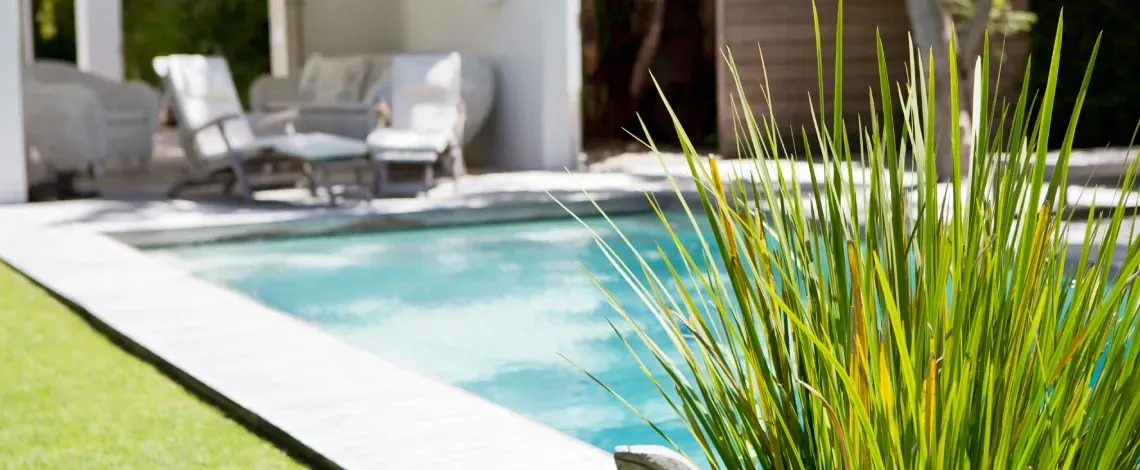
- Ornamental grasses for texture and movement
- Low-maintenance perennials for seasonal color
- Raised planting beds to define seating or pool zones
- Small accent trees placed away from the deck and water
Build Safety Features Into the Design
Safety should be incorporated into the pool landscape plan from the outset. Fencing, gates, lighting, drainage, and clear walkways all help create a safer environment for family members and guests. When these features are planned with the hardscaping and plantings, they can look like a natural part of the finished yard.
Pool fencing and gates should meet local requirements while still fitting the overall design. Lighting should improve visibility near steps, pathways, gates, and seating areas after dark. Clear walkways and slip-resistant surfaces can also reduce hazards around wet areas.
Key safety features may include:
- Code-compliant fencing around the pool area
- Self-closing and self-latching gates
- Slip-resistant decking materials
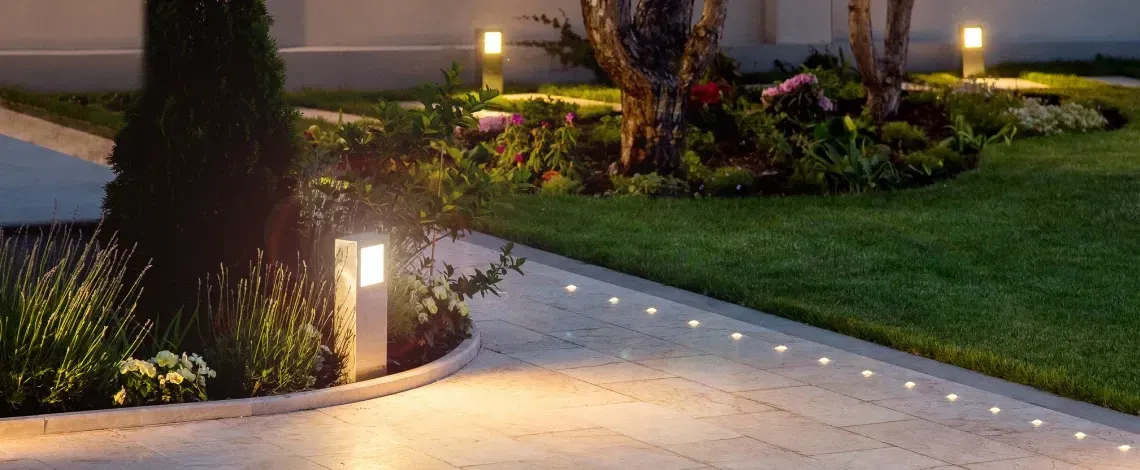
- Landscape lighting near steps and pathways
- Clear access routes around the pool perimeter
Address Drainage Before Installing the Final Landscape
Drainage should be considered before the final deck, planting beds, and walkways are installed. Water that collects around the pool can lead to puddling, erosion, damaged hardscape surfaces, or shifting materials over time. A proper grading and drainage plan helps protect the pool area and the rest of the property.
A pool surround landscaping Bristol County project may require grading adjustments, drainage channels, catch basins, or other solutions based on the property’s slope and water flow. Roof runoff, snowmelt, and low areas in the yard should all be reviewed before construction starts. Solving drainage concerns early can help reduce future repairs and maintenance issues.
A pool drainage plan should account for:
- Existing slopes and low points in the yard
- Water flows from roofs and nearby structures
- Drainage between the pool deck and the home
- Runoff around planting beds and lawn areas
- Snowmelt during late winter and early spring
Connect the Pool to the Rest of the Backyard
The best pool area hardscaping ideas help the pool feel like part of a complete outdoor living space. A connected patio, walkway, fire feature, shade structure, or outdoor kitchen can make the backyard more useful before and after pool season. These features also help create a smooth transition between the home, pool, and surrounding landscape.
Think about how the pool area will be used when no one is swimming. A nearby patio can support meals and gatherings, while landscape lighting can make the yard more usable in the evening. Planning these connections early helps create a backyard that functions as a single, cohesive space.
Popular features to connect with a pool landscape include:
- Paver patios for outdoor dining and entertaining
- Walkways from the home to the pool area
- Fire pits or fireplaces outside the splash zone
- Pergolas or shade structures near seating areas
- Landscape lighting for evening visibility and atmosphere
Plan Your Pool Landscape as One Complete Project
A complete design can help prevent mismatched materials, tight walkways, and changes that add cost later. It also allows the pool, hardscaping, landscaping, drainage, and safety features to be planned around the same goals. Working with a pool landscape contractor in Dighton, MA, can help you create a layout that fits your property, lifestyle, and long-term plans.
ET Landscaping Construction can help homeowners create pool landscapes that feel organized, practical, and visually connected to the rest of the yard. From decking and planting beds to walkways, drainage, and outdoor living features, every detail can be designed to support how you use the space.
Contact our team today to start planning your backyard pool landscape in Massachusetts.
Recent Posts