Bush Hammered vs. Flamed Granite Pavers: Which Finish Should You Choose?
Eric Easterday • October 28, 2026
Bush hammered and flamed granite pavers are both durable choices for patios, walkways, steps, and other outdoor surfaces. Bush hammered granite provides a more uniform and deeply textured finish, while flamed granite has a rugged surface with greater natural variation. Choosing between them usually comes down to appearance, texture, comfort, maintenance, and the intended use of the space.
What Is the Difference Between Bush Hammered and Flamed Granite?
The main difference between bush hammered vs. flamed granite is the way the surface finish is created. Bush hammered granite is repeatedly struck with a mechanical tool, producing a consistent pattern of small pits across the stone.
Flamed granite, also known as thermal granite, is exposed to intense heat. The sudden temperature change causes minerals near the surface to fracture, creating a rough and naturally irregular texture. Both finishes reduce shine and improve traction compared with polished granite.
Bush Hammered vs. Flamed Granite at a Glance
The following comparison highlights the main differences between the two granite paver finishes.
| Feature | Bush Hammered Granite | Flamed Granite |
|---|---|---|
| Finish method | Mechanically struck with pointed tools | Treated with intense heat |
| Appearance | Uniform, muted, and structured | Rugged, varied, and natural |
| Texture | Deeply pitted and consistent | Rough and irregular |
| Traction | Strong grip | Strong grip |
| Comfort | More pronounced underfoot | Naturally uneven underfoot |
Neither finish is automatically more durable because both are made from granite. The more noticeable differences involve surface consistency, visual character, and how the stone feels underfoot.
Bush Hammered Granite Pavers
Bush hammered granite has a coarse and evenly textured surface. Its repeated pattern creates a refined appearance without the shine associated with polished stone. The finish can also make the granite look slightly lighter or more muted.
Key characteristics include:
- Consistent appearance: The texture remains relatively uniform across each paver.
- Pronounced grip: The deeper surface pattern works well in wet or high-traffic areas.
- Structured design: It complements traditional, rustic, and carefully planned hardscapes.
- Common uses: Patios, walkways, steps, entrances, landings, and borders.
- Cleaning needs: Dirt and pollen may settle into the small surface pits.
Bush hammered pavers are often chosen when visual consistency is an important part of the design. They can create a cohesive surface across large patios, formal walkways, and connected outdoor living areas.
Flamed Granite Pavers
Flamed granite has a more irregular texture created by exposing the stone to high temperatures. Because different minerals react differently to heat, the finished surface displays more natural variation. This process can also make the granite’s crystalline character more visible.
Key characteristics include:
- Natural appearance: Each paver may show slight differences in texture and tone.
- Rugged surface: The rough finish provides dependable traction outdoors.
- Less formal design: It works well in rustic, contemporary, and natural-looking spaces.
- Common uses: Patios, pathways, pool surroundings, driveways, and courtyards.
- Cleaning needs: Dirt may gather within the irregular surface texture.
Flamed pavers are usually preferred when the goal is to create an outdoor surface that feels less patterned. Their varied texture can help new hardscaping blend more naturally with the surrounding property.
Which Finish Works Best for Different Outdoor Areas?
The right finish may change depending on where the pavers will be installed. Appearance matters, but comfort, drainage, traffic, and exposure to moisture should also be considered.
Patios
Bush hammered granite works well for patios that need a consistent and coordinated appearance. Its regular texture can create visual continuity across seating, dining, and entertaining areas.
Flamed granite is often better suited to patios where natural variation is preferred. Its rugged finish may complement stone walls, planting areas, and less formal outdoor layouts.
Walkways and Steps
Both finishes provide useful traction for walking surfaces. Bush hammered granite offers a deeper and more uniform texture, which can work well across steps, entrance landings, and formal pathways.
Flamed granite provides a rough surface with less repetition. It may be selected for curved paths, informal walkways, or areas where the stone should blend into the surrounding landscape.
Pool Surroundings
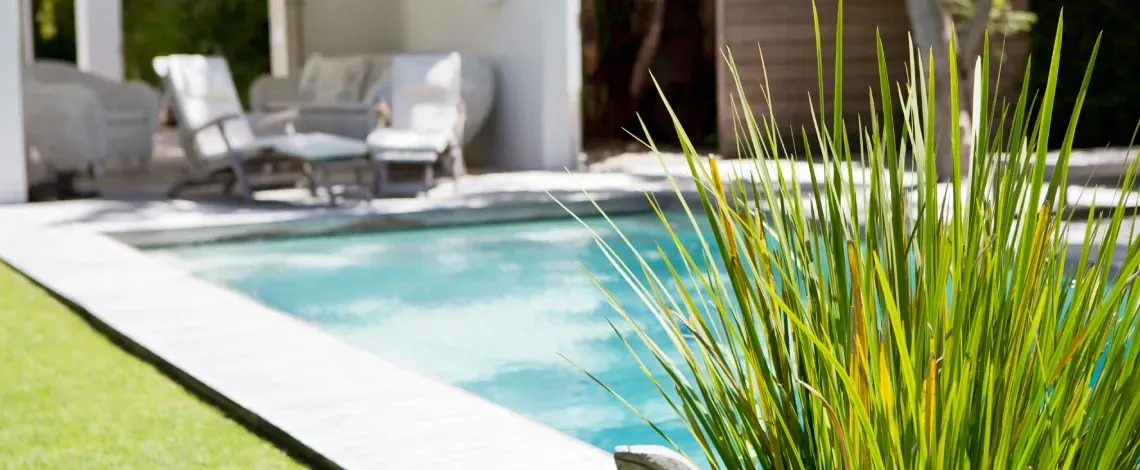
Bush hammered and flamed granite can both improve grip around wet areas. However, their textures may feel different under bare feet, especially when the stone becomes hot in direct sunlight.
Before choosing either finish, review full-size samples for comfort, heat retention, edge treatment, and wet-surface performance. The selected granite should also be suitable for exposure to pool water and cleaning products.
Driveways and High-Traffic Areas
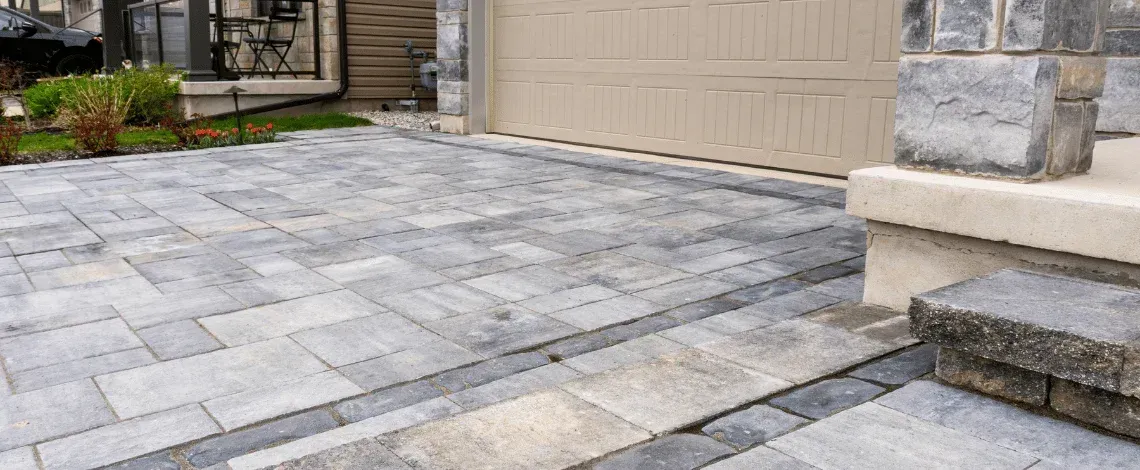
Granite pavers can be used in driveways and other heavily traveled areas when the correct thickness and installation method are selected. Both finishes provide traction, but the pavers must be designed to support the expected vehicle weight.
Base construction, compaction, joint stability, and edge restraint have a greater effect on long-term performance than the surface finish alone. Product specifications should always be reviewed before installation.
Cost and Maintenance Considerations
The price of thermal vs. bush hammered granite depends on the stone type, dimensions, thickness, supplier, finish availability, and transportation costs. Bush hammering requires mechanical processing, while flaming involves specialized heat treatment. Either finish may cost more than a basic unfinished or split-face surface.
The complete project price may also include:
- Excavation and removal of existing materials
- Base preparation and compaction
- Grading and drainage work
- Cutting and custom edge details
- Joint material and edge restraints
- Access limitations and material delivery
Both finishes require regular sweeping and occasional washing. Bush hammered surfaces may collect debris within their deeper pits, while flamed surfaces may hold dirt within their irregular texture. Sealing needs depend on the granite, location, exposure, and manufacturer recommendations.
How to Choose the Right Granite Paver Finish
The decision should reflect how the surface will look, feel, and function once installed. Photographs can provide inspiration, but full-size samples offer a better understanding of the texture and color in natural light.
Choose bush hammered granite when you prefer:
- A uniform and deeply textured surface
- A muted and structured appearance
- Consistency across a large paved area
- A more traditional or refined layout
Choose flamed granite when you prefer:
- Greater natural texture variation
- A rugged and less patterned appearance
- More visible mineral character
- A rustic, organic, or contemporary layout
The surrounding materials should also influence the decision. Compare the granite with siding, masonry, retaining walls, steps, and other hardscape elements before approving the final selection.
Proper Installation Protects Either Finish
Even high-quality granite pavers can shift, settle, or hold water when installed over an inadequate base. Excavation depth, aggregate selection, grading, compaction, jointing, and edge restraints all affect the stability of the completed surface.
Installation methods must also account for freeze-and-thaw cycles in Massachusetts. Proper drainage is especially important because trapped water can contribute to movement, uneven surfaces, and premature repairs.
ET Landscaping Construction installs patios, walkways, driveways, steps, and outdoor living features for residential and commercial properties in Rehoboth, Dighton, and nearby Massachusetts communities. Our team can help compare granite finishes and plan an installation suited to the property, intended use, and surrounding design.
Bush Hammered vs. Flamed Granite: Making the Final Choice
Bush hammered granite is usually the better option when you want a consistent, deeply textured, and structured surface. Flamed granite is a strong choice when you prefer natural variation and a more rugged appearance. Both can provide durable and attractive outdoor paving when the right material and installation method are selected.
Contact us today to discuss granite paver options for a patio, walkway, driveway, step system, or outdoor living project in Rehoboth or Dighton, MA.
Recent Posts