Artificial Turf vs. Real Grass in Massachusetts: Which Is Actually Worth It for Your Yard?
Eric Easterday • September 22, 2026
Artificial turf vs. real grass in Massachusetts depends on your budget, maintenance preferences, and how your yard is used. Artificial turf costs more upfront but reduces mowing, watering, and repair needs. Real grass costs less to install but needs regular care through every season.
Artificial Turf Has a Higher Upfront Cost
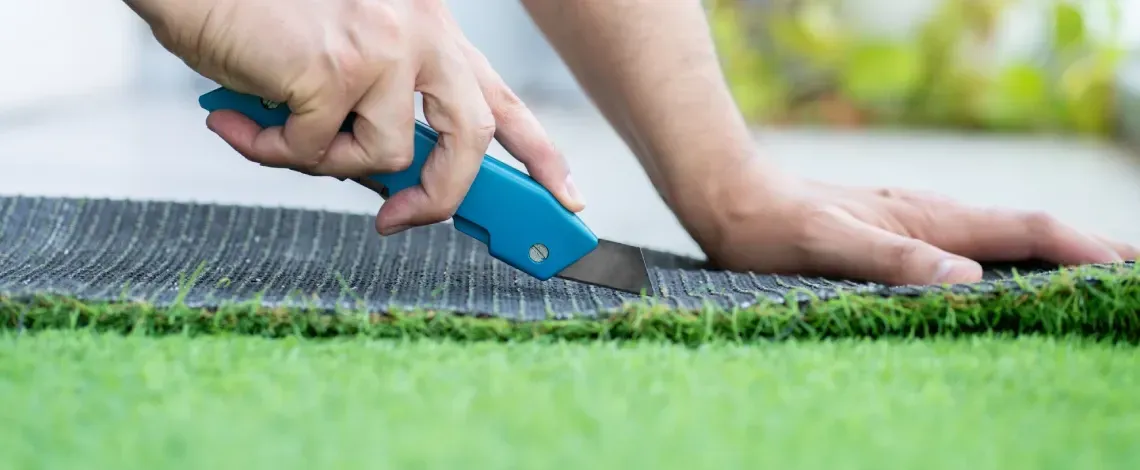
Artificial turf costs more at the start because the area needs excavation, grading, drainage preparation, base materials, and professional installation. Real grass is usually less expensive to install, especially when using sod or seed. The long-term cost difference depends on how much time and money you spend maintaining a natural lawn.
- Artificial turf installation: Usually ranges from about $8 to $20 per square foot.
- Real grass sod: Often costs around $1 to $2 per square foot installed.
- Artificial turf upkeep: May include rinsing, brushing, and clearing leaves or debris.
- Real grass upkeep: Includes mowing, watering, fertilizer, weed control, and seasonal repairs.
- Replacement needs: Turf may need replacement after years of heavy use.
Massachusetts Weather Can Be Tough on Real Grass
Massachusetts lawns deal with snow, spring mud, summer heat, shade, and freeze-thaw cycles. These conditions can lead to thinning grass, bare patches, drainage problems, and uneven growth. Artificial turf stays green through the seasons and can help reduce muddy areas.
- Spring: Turf can help reduce mud from snowmelt and rain.
- Summer: Natural grass stays cooler, while turf can become warm in direct sun.
- Fall: Both options need leaves and debris removed.
- Winter: Real grass goes dormant, while turf keeps a consistent appearance.
- Shade: Turf can work well where grass struggles to grow.
Synthetic Turf Pros and Cons for Massachusetts Properties
Synthetic turf can create a cleaner and more consistent surface for high-use areas. It is especially useful for properties with pets, shade, poor grass growth, or recurring mud. Still, it is important to understand the tradeoffs before making a decision.
- Pros: No mowing, watering, fertilizing, or reseeding.
- Pros: Can stay neat in shaded or heavily used areas.
- Pros: Helps reduce mud around patios, play areas, and walkways.
- Cons: Can get hot during direct summer sun.
- Cons: Needs occasional cleaning, brushing, and rinsing.
- Cons: Does not provide the same cooling effect as natural grass.
When Artificial Turf Is Worth the Investment
Artificial turf can be worth it when you are tired of repairing the same lawn problems every year. It works best in areas that receive heavy traffic, poor sunlight, or frequent pet use. It can also be a practical choice for commercial properties that need a polished appearance with less routine maintenance.
Artificial turf for Bristol County MA can work well around patios, pools, play areas, pet runs, and walkways. It can also improve small yards where natural grass never gets enough sunlight. A properly prepared base is important for drainage, stability, and long-term performance.
When Real Grass Is the Better Lawn Option
Real grass can be the better choice for homeowners who prefer a natural surface and enjoy maintaining their lawn. It stays cooler during summer and can support a more traditional outdoor look. It may also be more affordable for large open areas.
Natural grass works best when the property receives enough sunlight and drains properly. It can recover from seasonal changes with regular watering, mowing, fertilizing, and overseeding. For many Massachusetts homeowners, real grass remains the best lawn option when maintenance is not a concern.
A Mixed Turf and Grass Layout Can Work Well
You do not need to choose artificial turf or real grass for the entire yard. Many homeowners use turf in problem areas and keep natural grass in larger open spaces. This gives the property a more balanced and practical layout.
- Use turf in shaded areas where grass does not grow well.
- Add turf around patios, pools, and outdoor living spaces.
- Create a cleaner pet area that is easier to maintain.
- Keep natural grass in larger sunny areas.
- Use both materials to reduce mud and improve curb appeal.
Artificial Turf Installers for Massachusetts Properties
Choosing between artificial turf and real grass starts with how your yard handles shade, drainage, pets, foot traffic, and seasonal weather. Looking at those factors first can help you avoid investing in a surface that does not fit the way you use the space.
ET Landscaping Construction helps residential and commercial property owners compare both options before making a decision. When turf is the better fit, our artificial turf installers can create a clean, durable surface that works with your drainage, hardscaping, and outdoor layout.
Ready to Upgrade Your Massachusetts Yard?
Artificial turf vs. real grass in Massachusetts is a decision that should be based on your property, budget, and maintenance goals. Turf can be a practical choice for muddy, shaded, pet-heavy, and high-traffic spaces. Real grass may be better when you want a natural surface and do not mind regular upkeep.
Contact us today to discuss artificial turf installation and find the right option for your yard.
Recent Posts